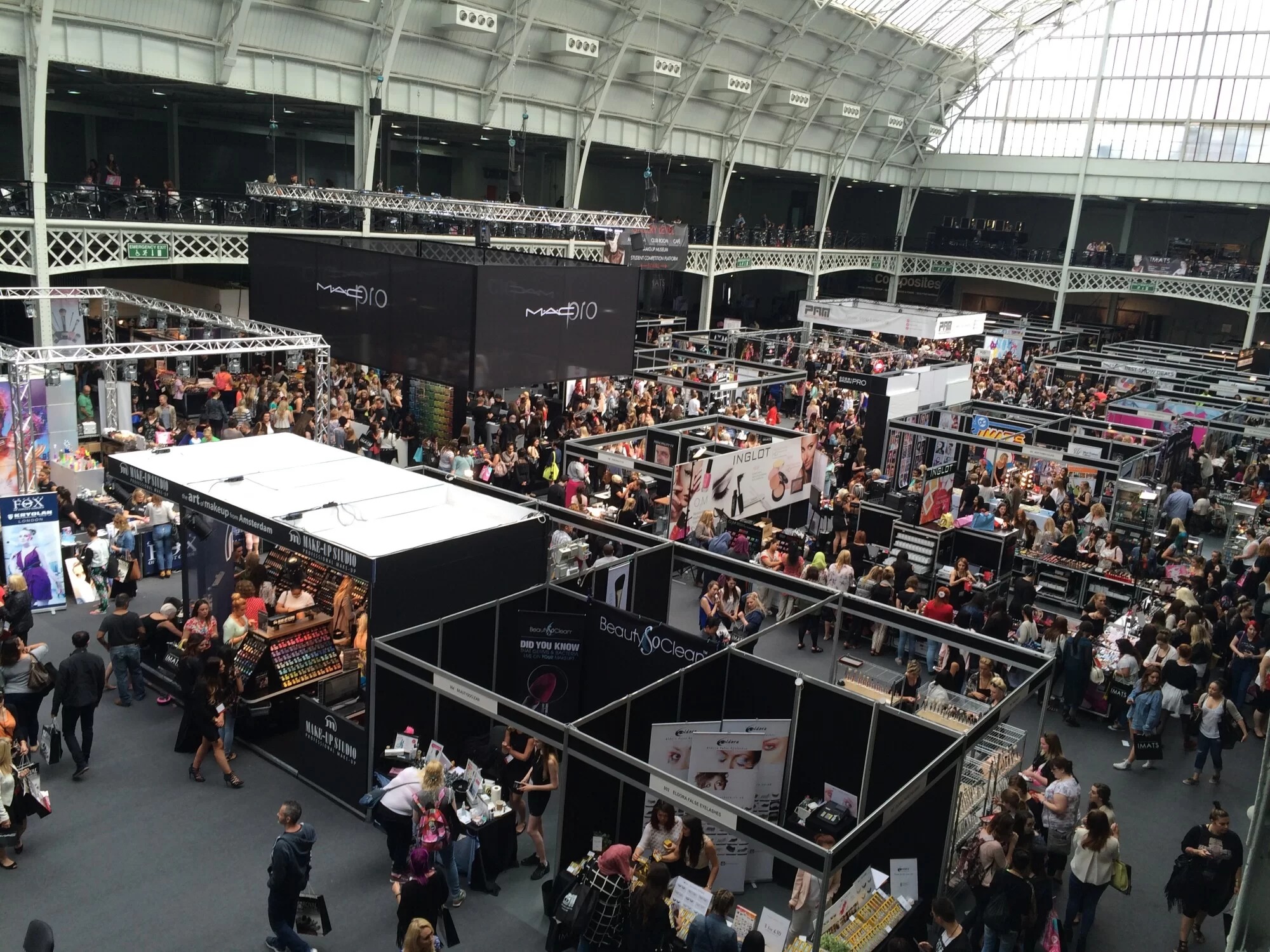
Turnkey exhibit delivery
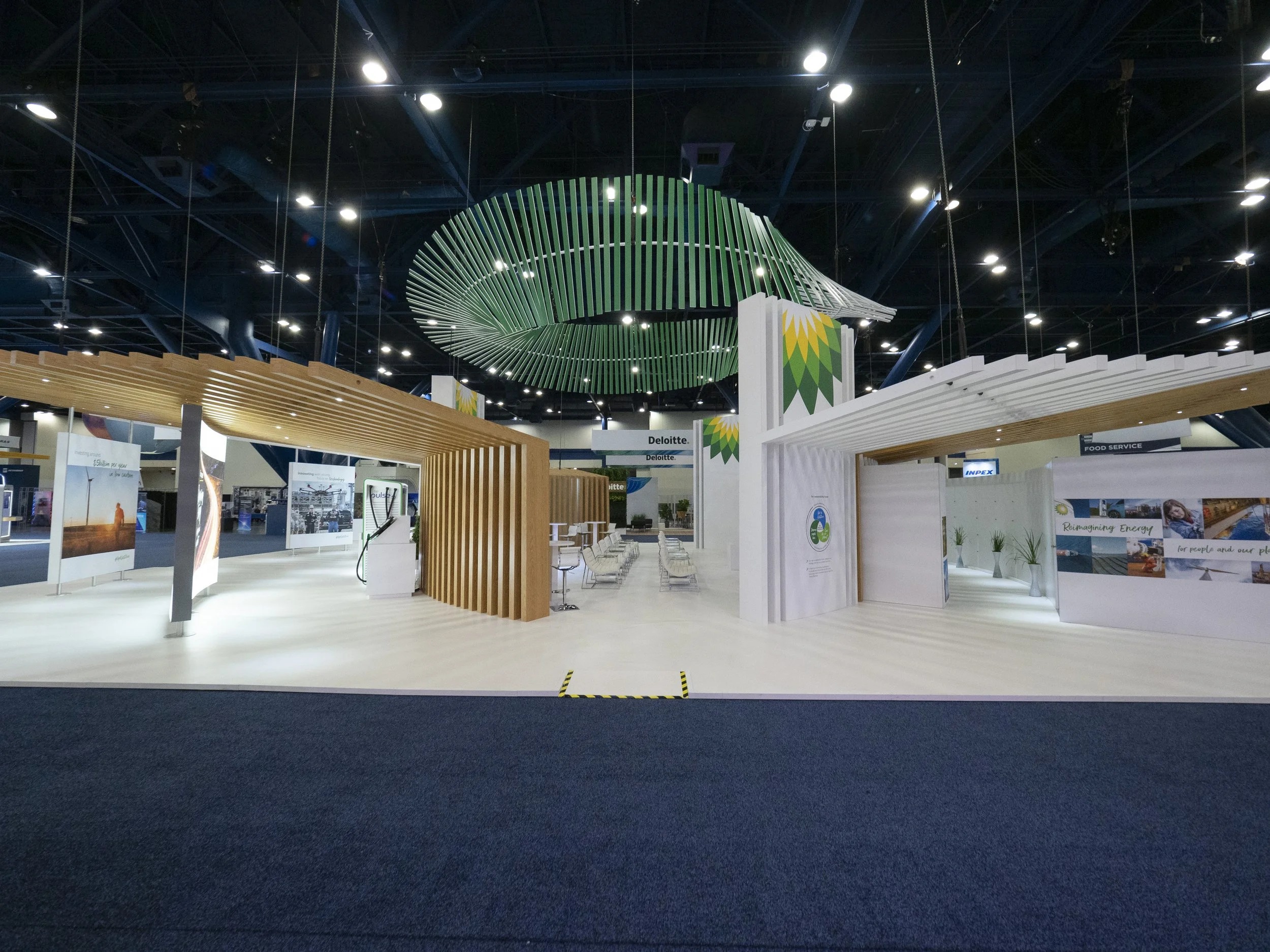
One Dallas lead across concept development, fabrication, freight planning, utilities, installation, dismantle, and closeout, so the exhibit moves through a single chain of responsibility.
Explore the serviceTrade Show Exhibit Company of Dallas handles booth design, fabrication, graphics, logistics, installation and dismantle, and venue coordination for teams that do not want show week spread across five different vendors.
One Dallas lead across concept development, fabrication, freight planning, utilities, installation, dismantle, and closeout, so the exhibit moves through a single chain of responsibility.
Explore the servicePrograms shaped for sponsorship, field marketing, executive events, conferences, and exhibits that need clean accountability before show week compresses the calendar.
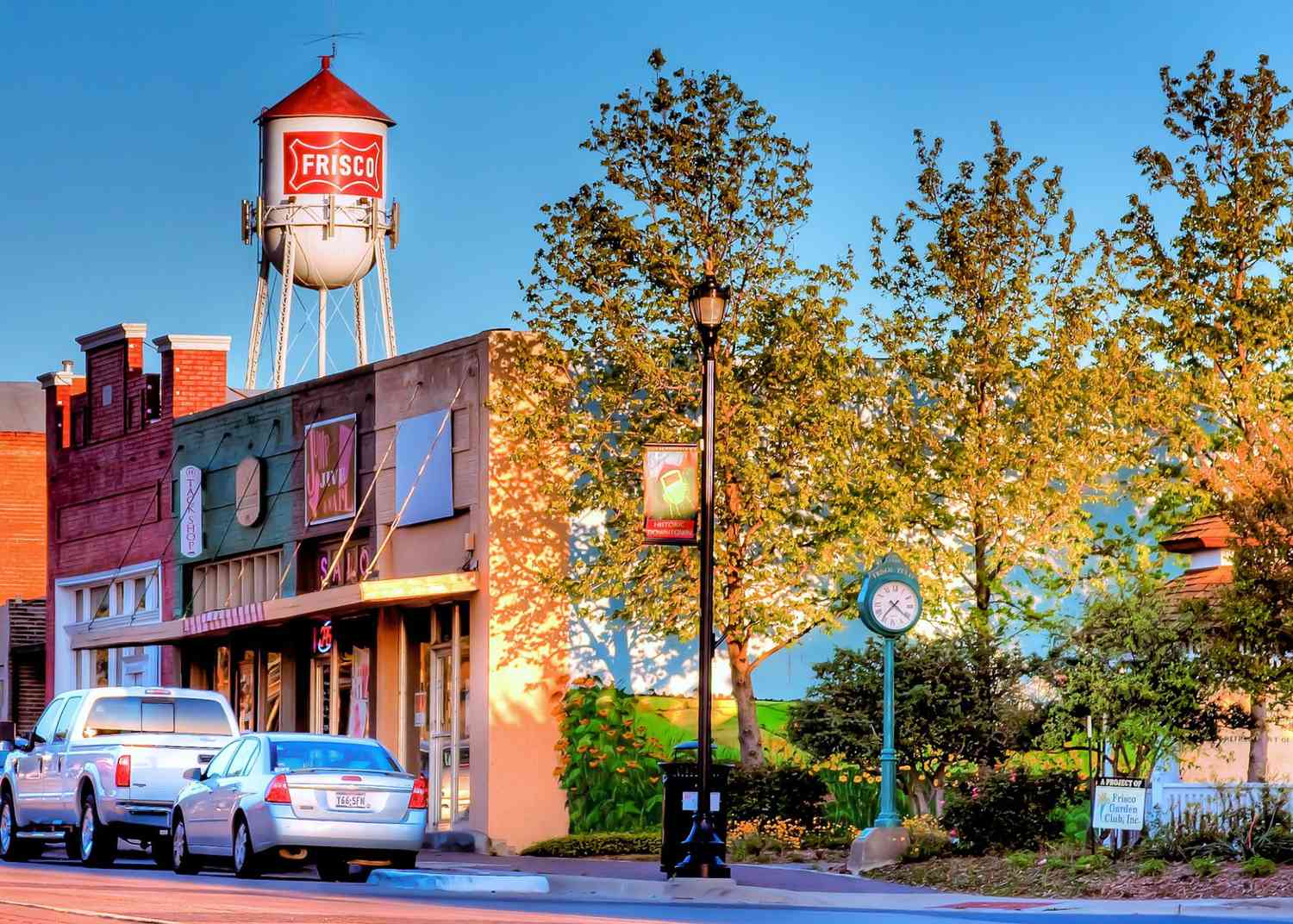
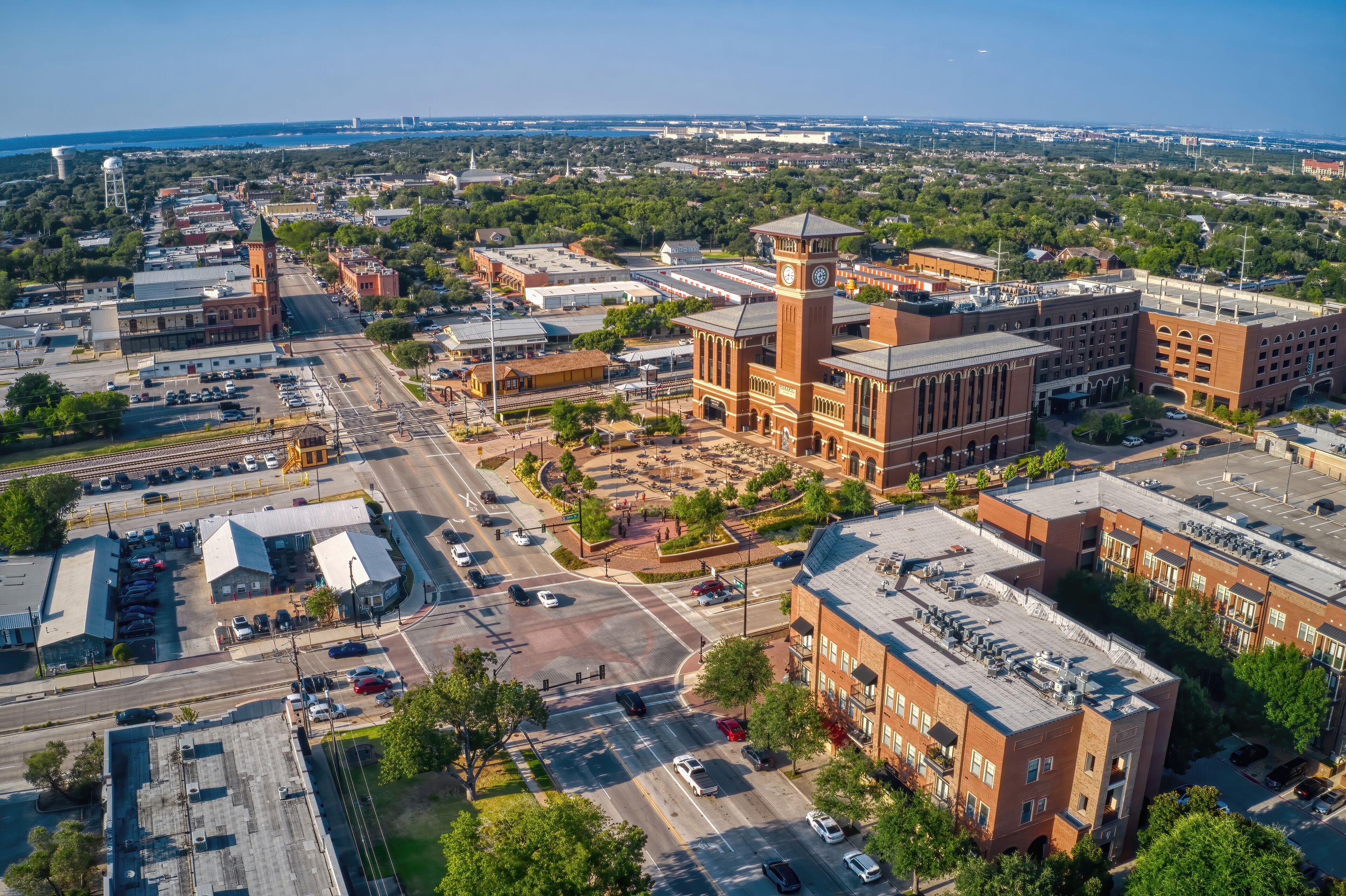
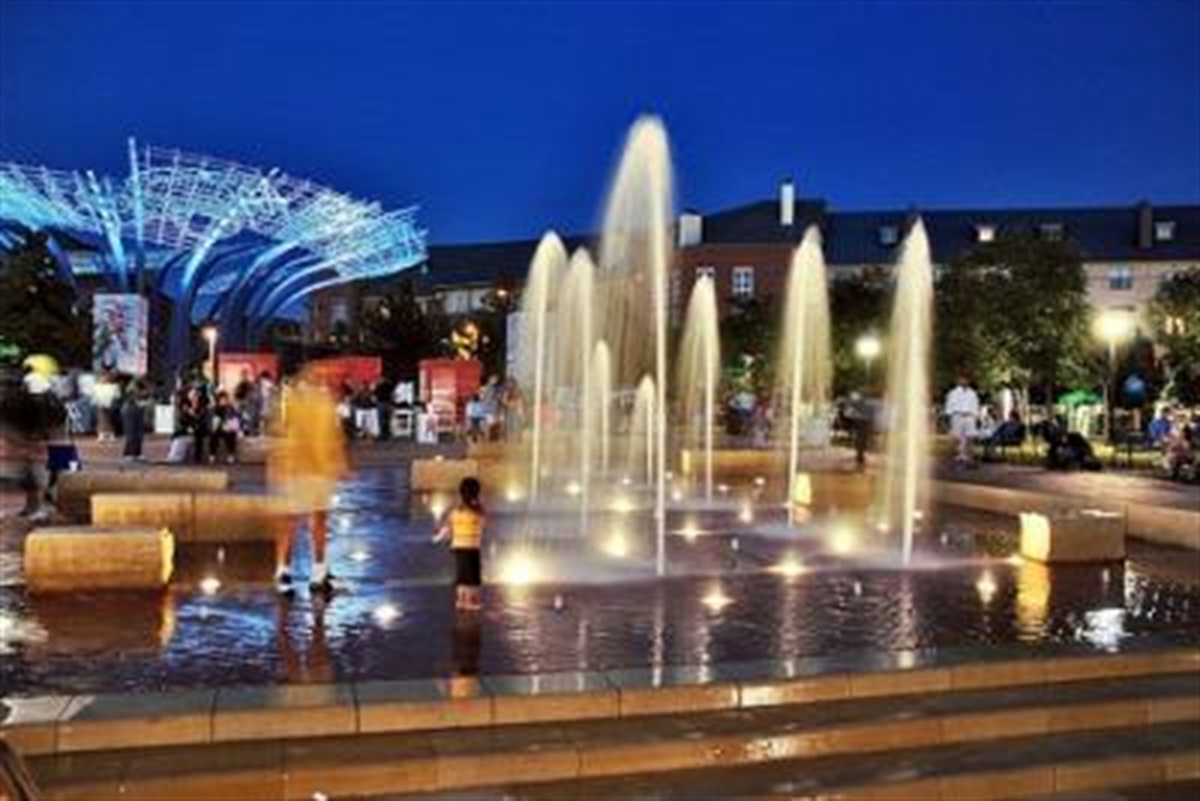
See the fitIrving, Arlington, and Frisco each bring different service assumptions.
The useful version of that advice is simple: lock the venue rules, confirm the delivery window, and make sure the exhibit plan can survive the real order of operations instead of the ideal one.
That kind of sequencing is what lets a Dallas project keep its energy without losing control of the parts that matter most on the floor.
Dallas exhibit guidance on venue rules, show-floor sequencing, and the operating decisions that usually decide whether a brief stays tight or unravels.
View planning notes
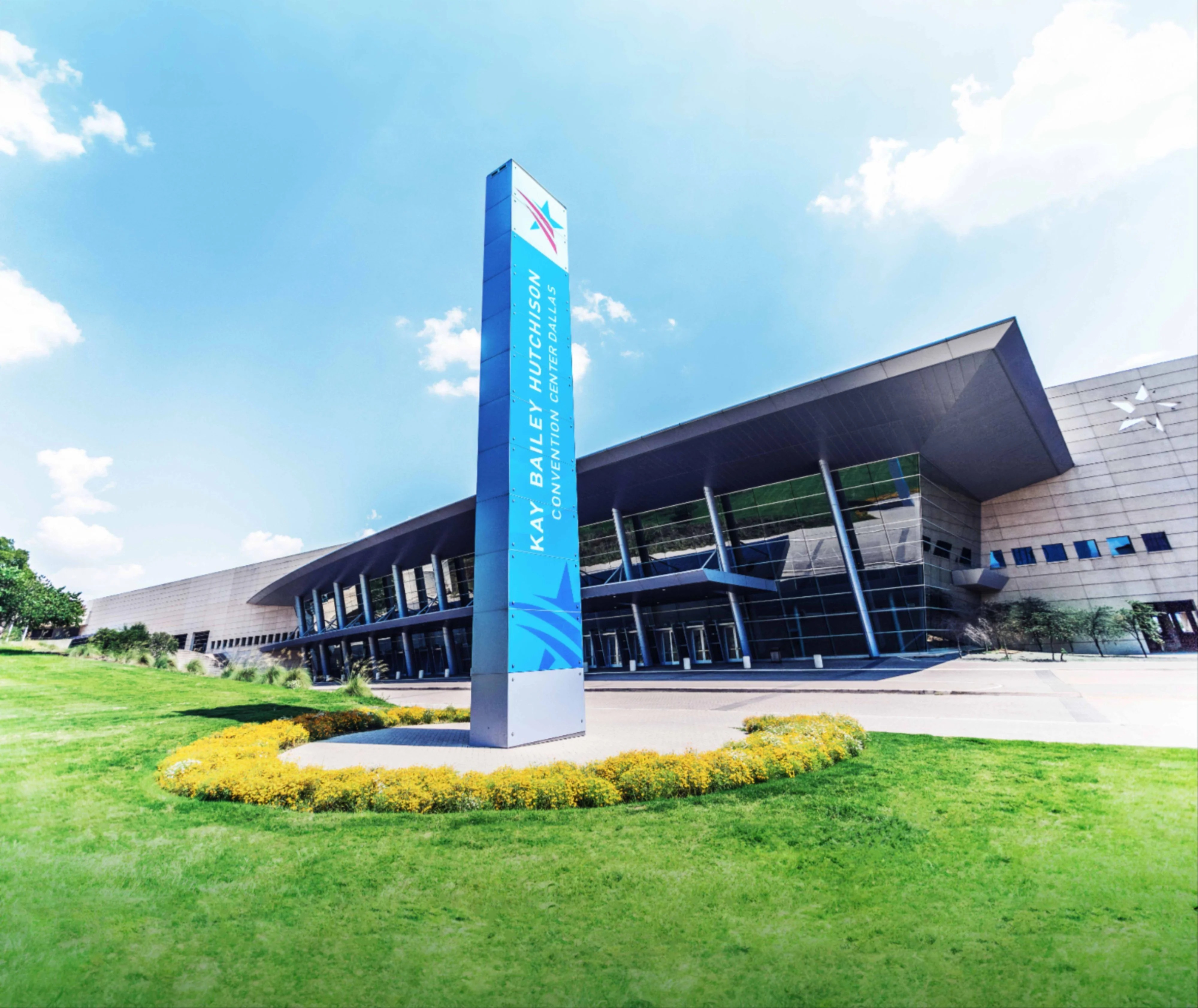
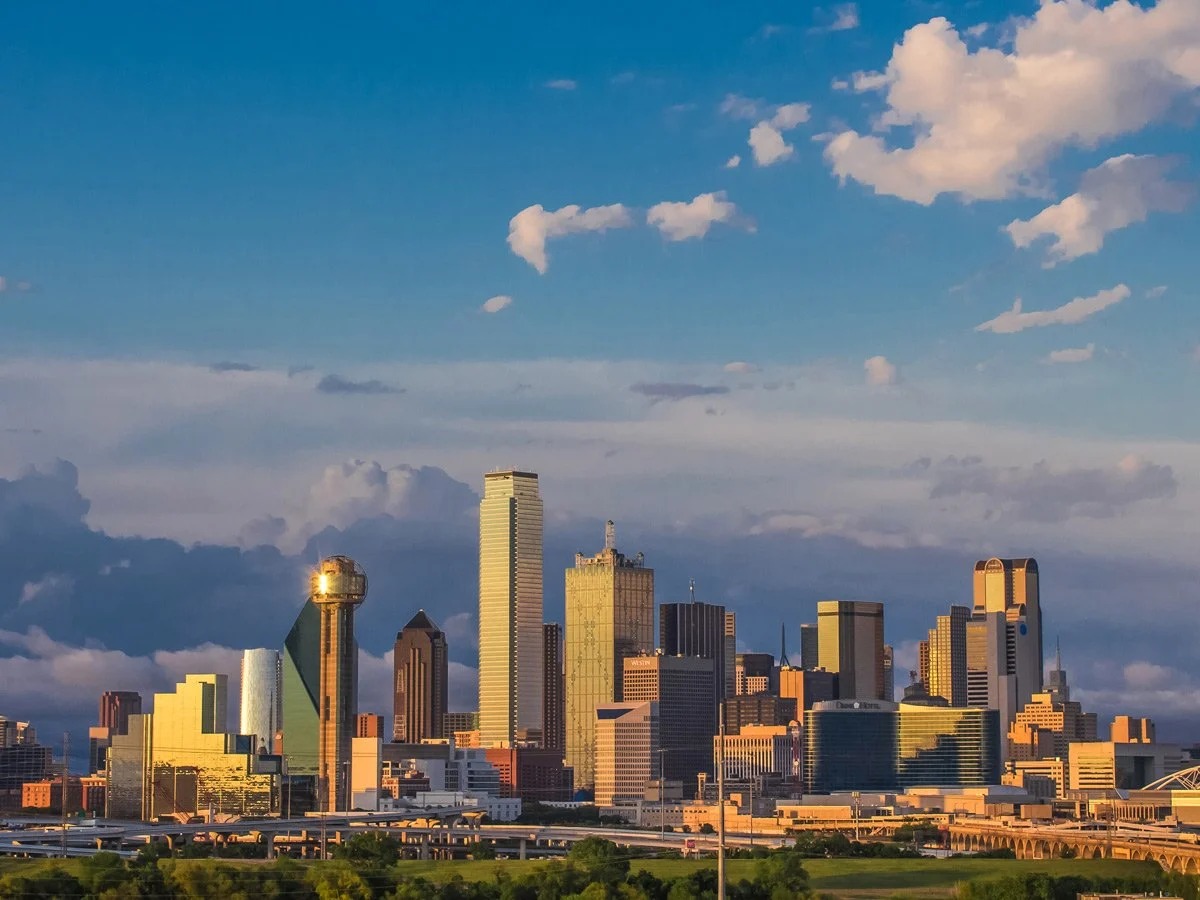
Downtown Dallas planning centers on KBHCCD, Market Hall, hotel adjacencies, and convention traffic.

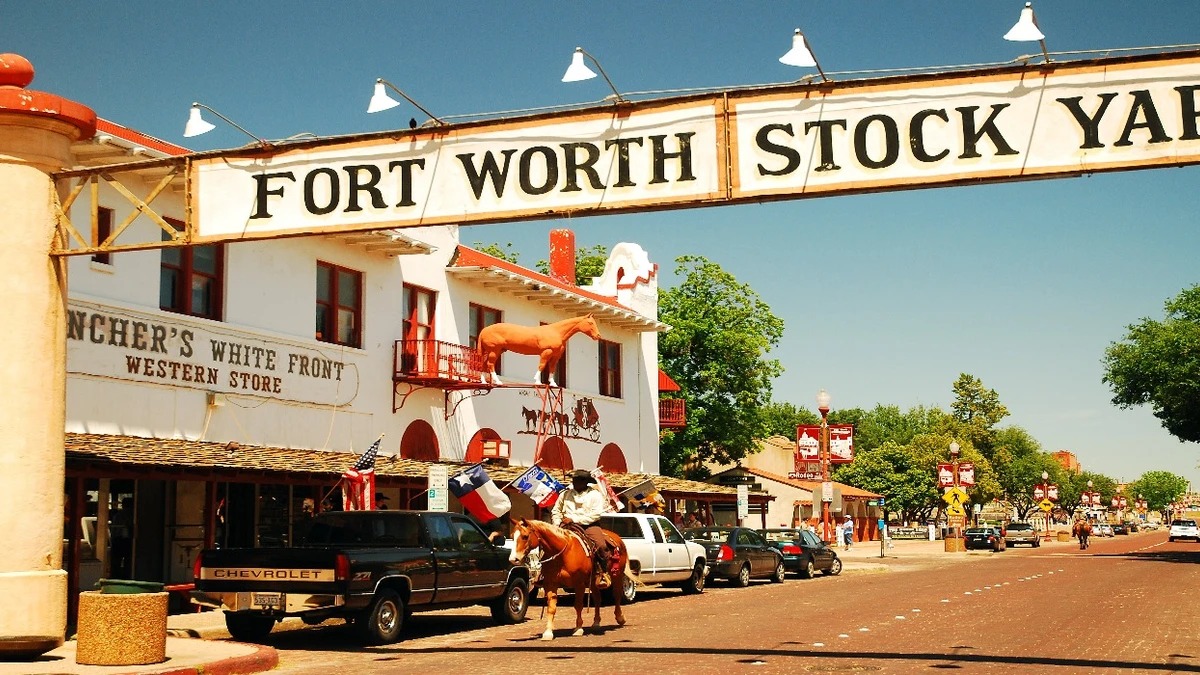
Fort Worth follows the western DFW calendar, with different travel, hall, and audience expectations than Dallas.

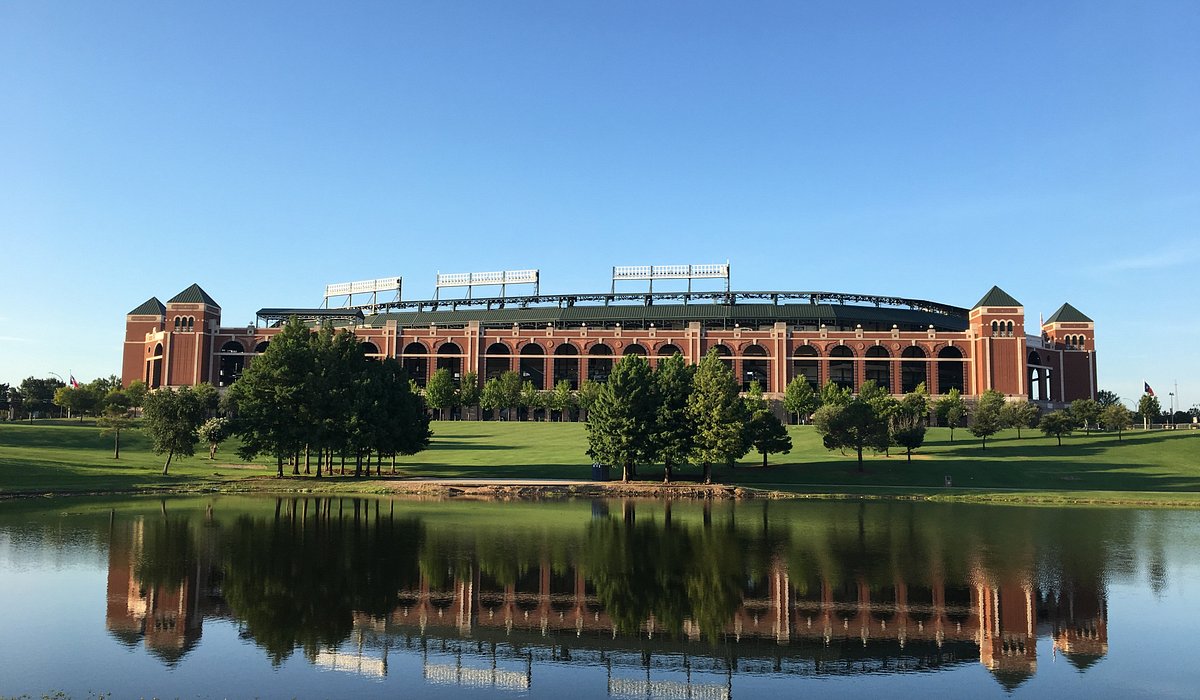
Arlington combines convention, stadium, esports, and entertainment venues that need crowd-aware planning.

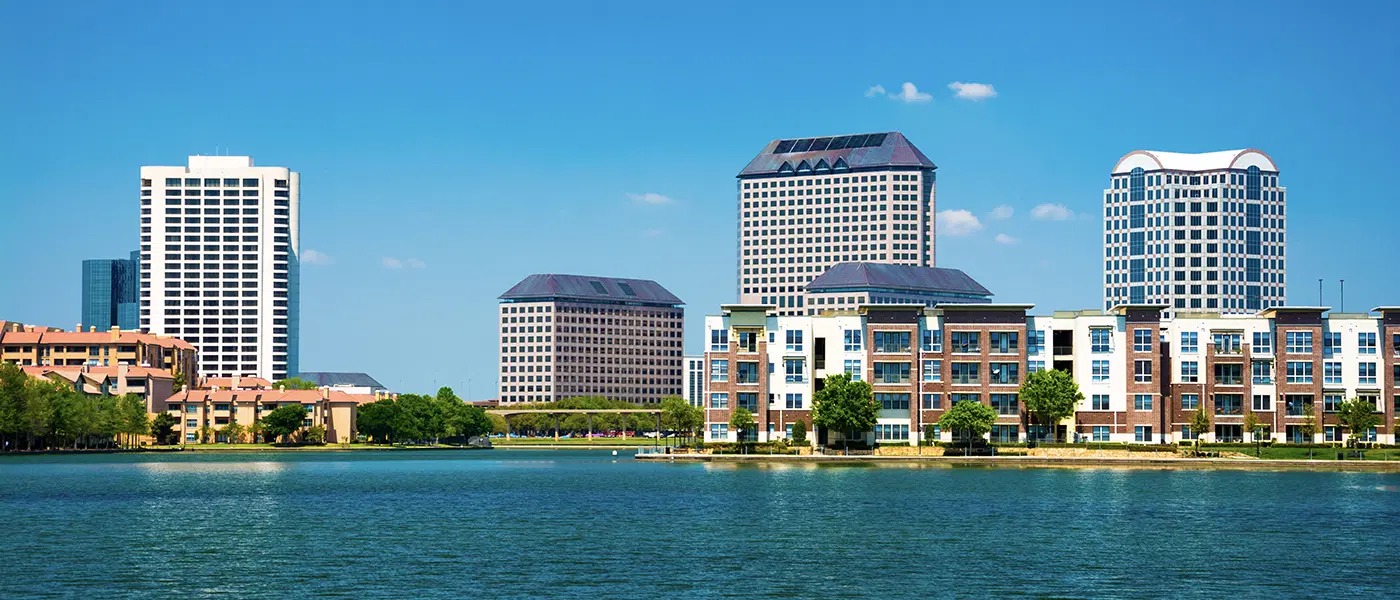
Irving and Las Colinas planning starts with airport access, managed convention space, and corporate attendees.

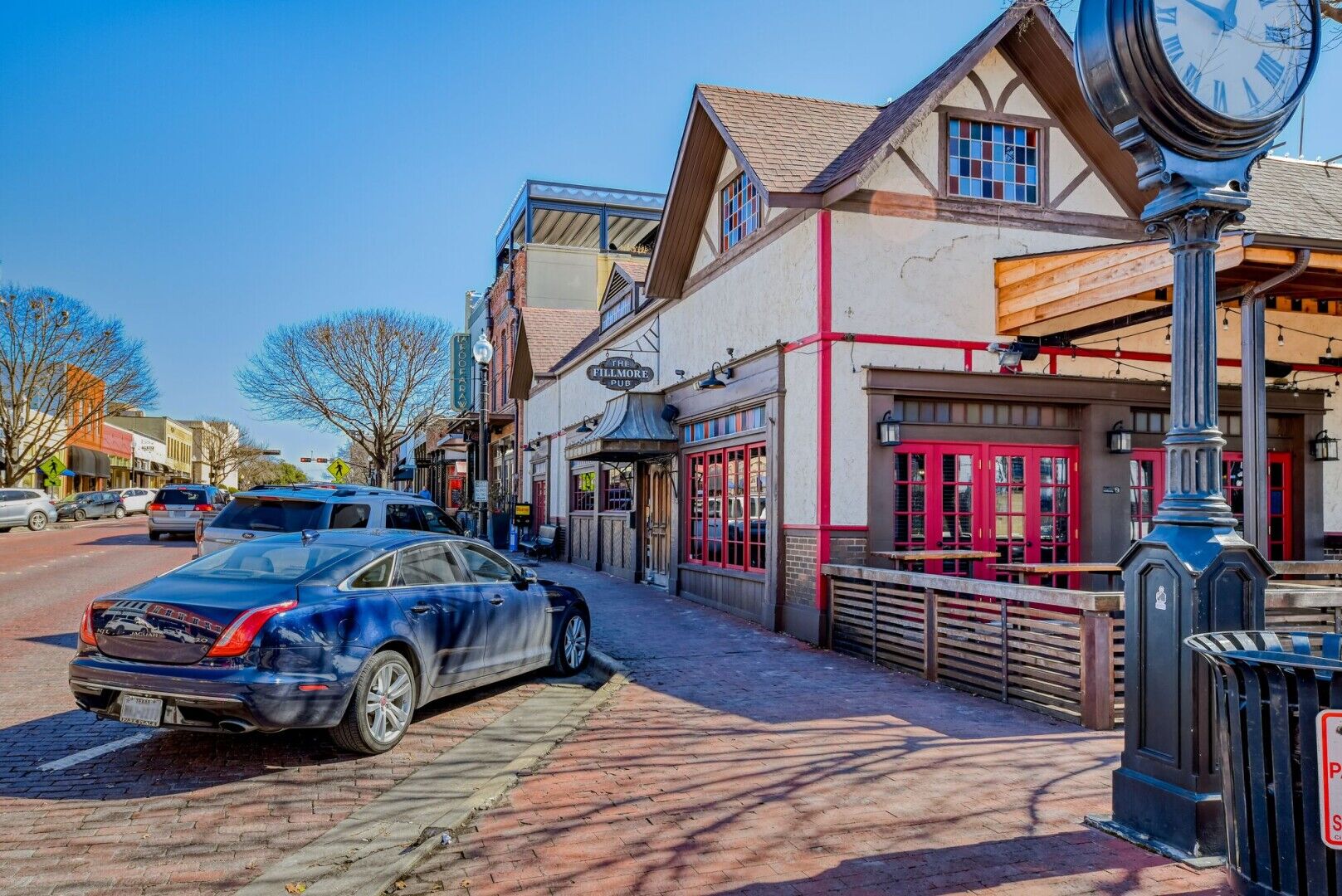
Plano programs serve north-metro business audiences, so the booth needs clarity, speed, and practical logistics.

Frisco work leans premium and hospitality-forward, with The Star and PGA resort settings shaping presentation.

Grapevine plans around resort-convention behavior, airport proximity, and longer attendee dwell time.

Addison supports smaller north-Dallas programs where compact footprints and message discipline matter.

Downtown convention center planning starts with docks, utilities, rigging, Smart City tech, and food-service rules.

Market Hall calls for large-scale floor planning, tall-ceiling displays, consumer-show traffic, and freight space.

Fashion Industry Gallery favors polished boutique exhibits, launch rooms, showroom layouts, and downtown access.

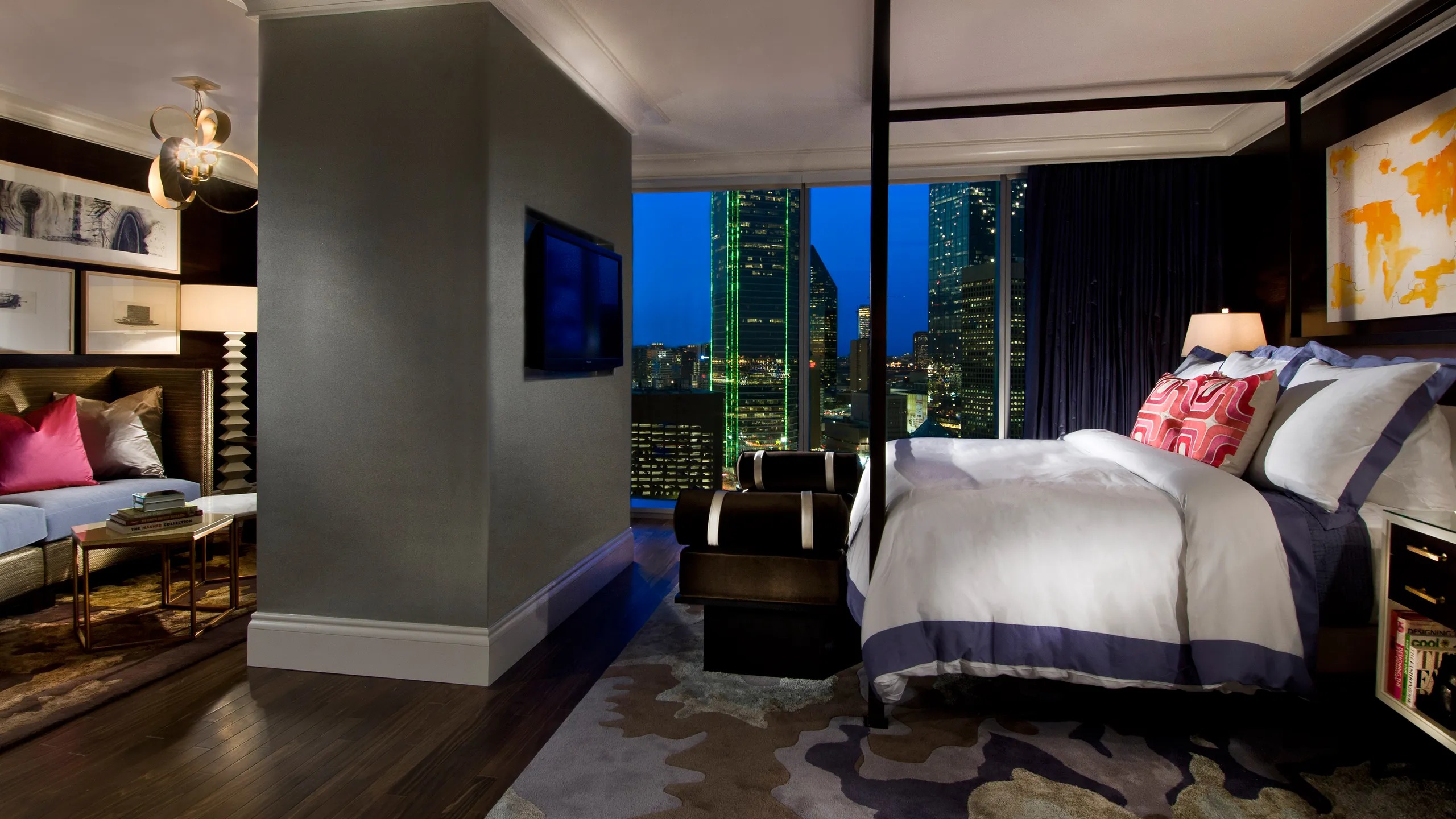
Omni Dallas combines hotel meeting space with KBHCCD adjacency, so conference exhibits need connected planning.

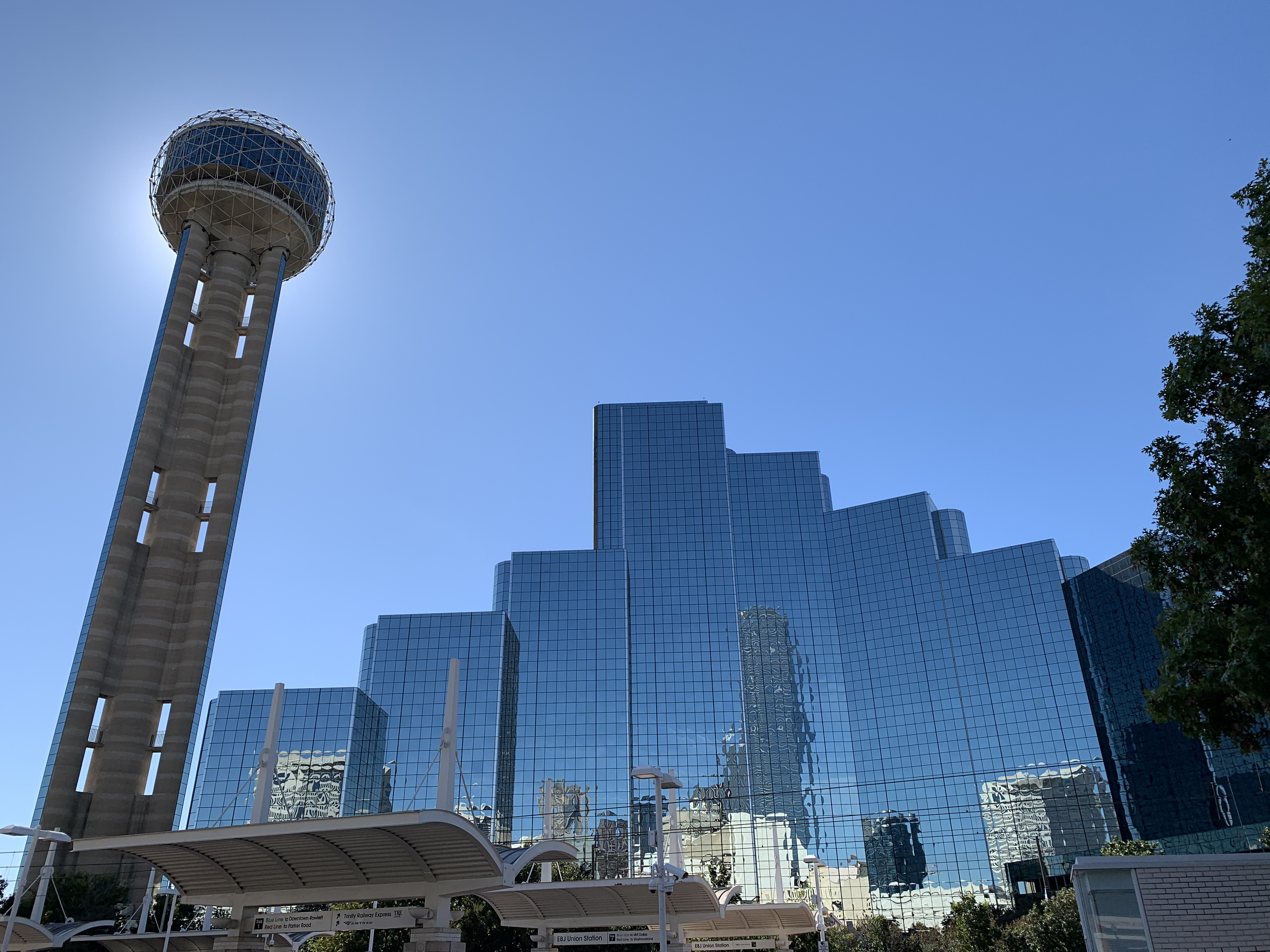
Hyatt Regency Dallas balances 160,000 square feet of meeting space, guest rooms, and Reunion-area flow.

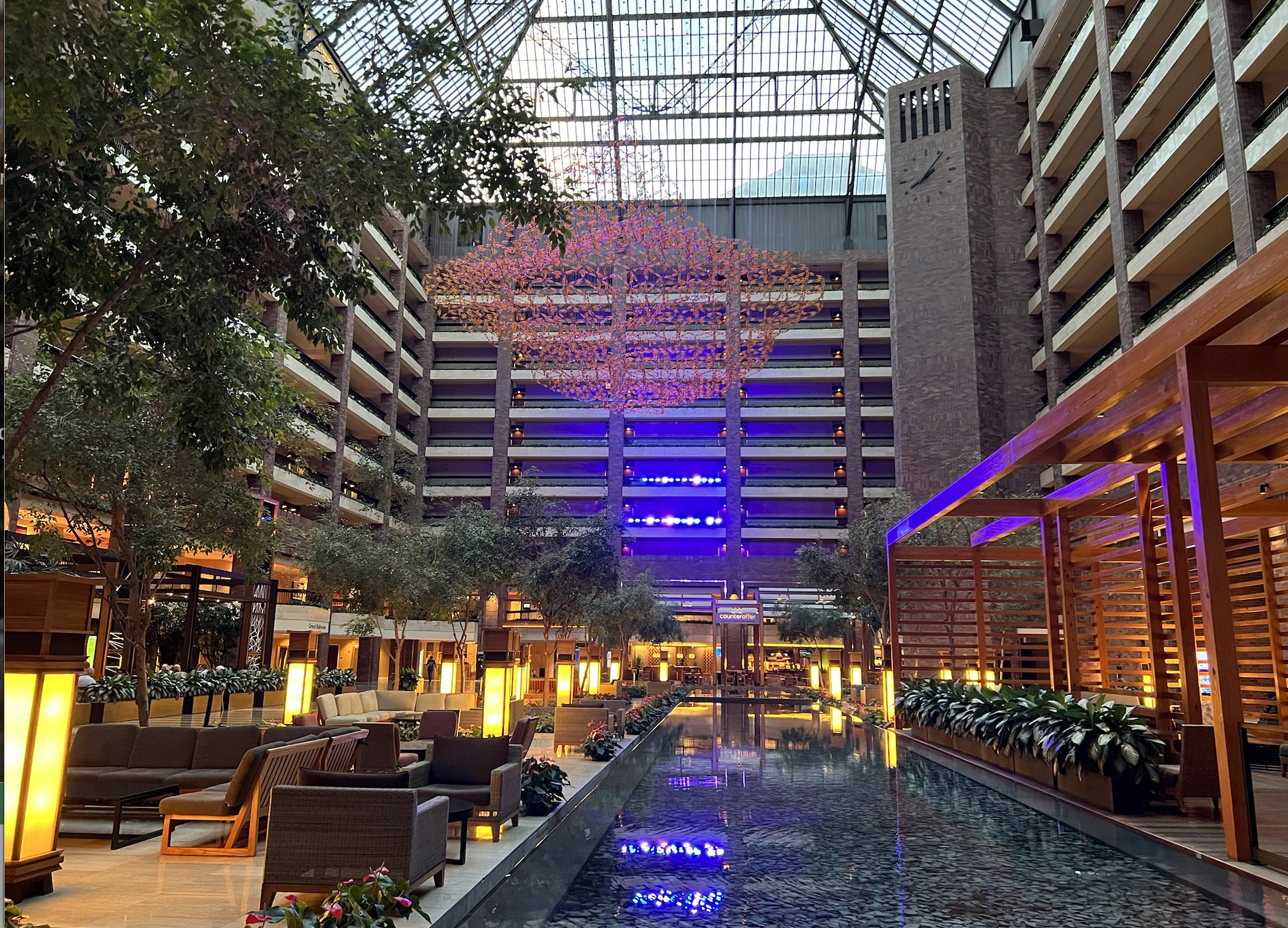
Hilton Anatole supports very large hotel-based programs, with campus scale and Design District access driving plans.

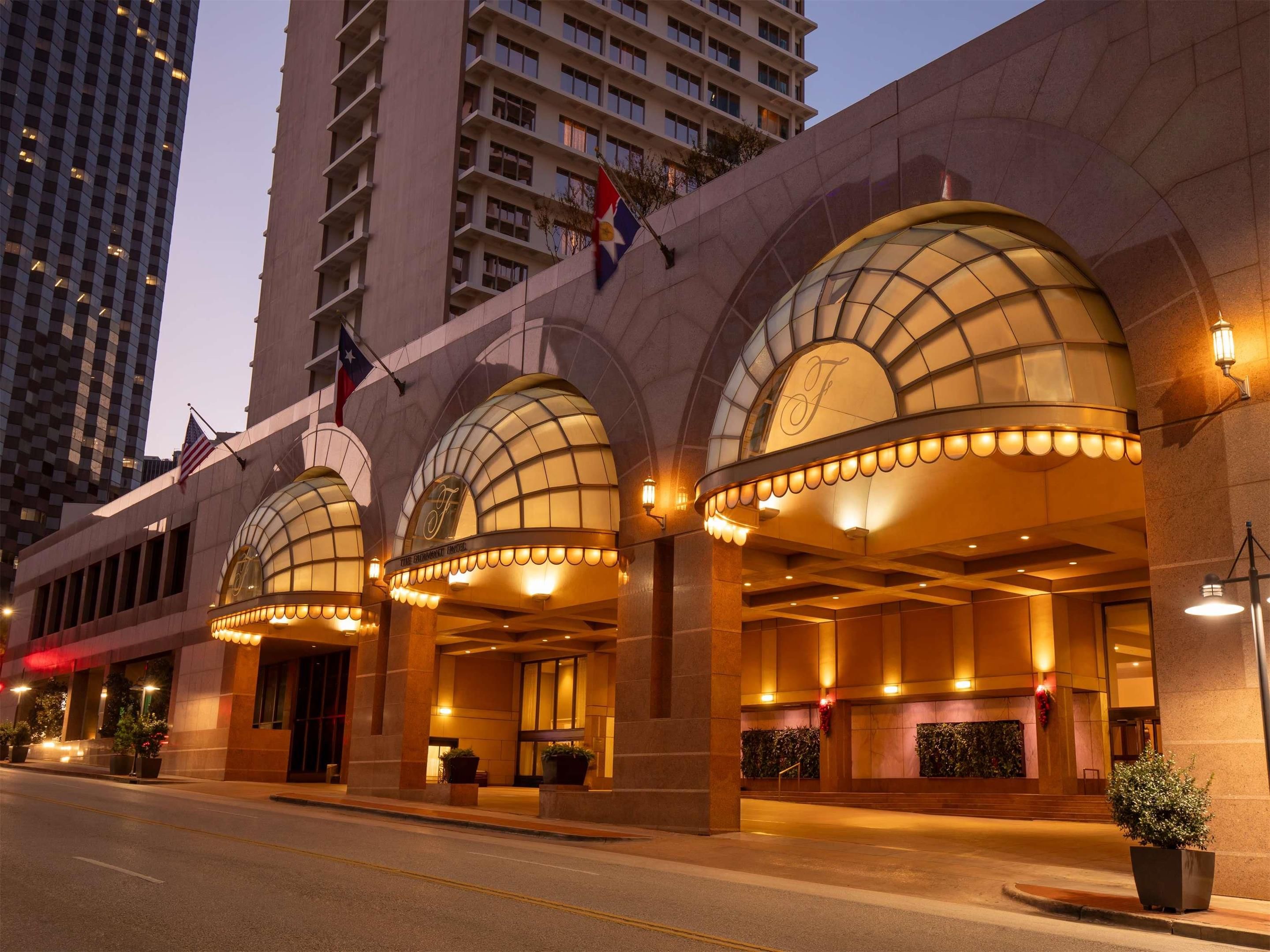
Fairmont Dallas fits association, sponsor, and executive programs that need downtown polish without expo-hall scale.

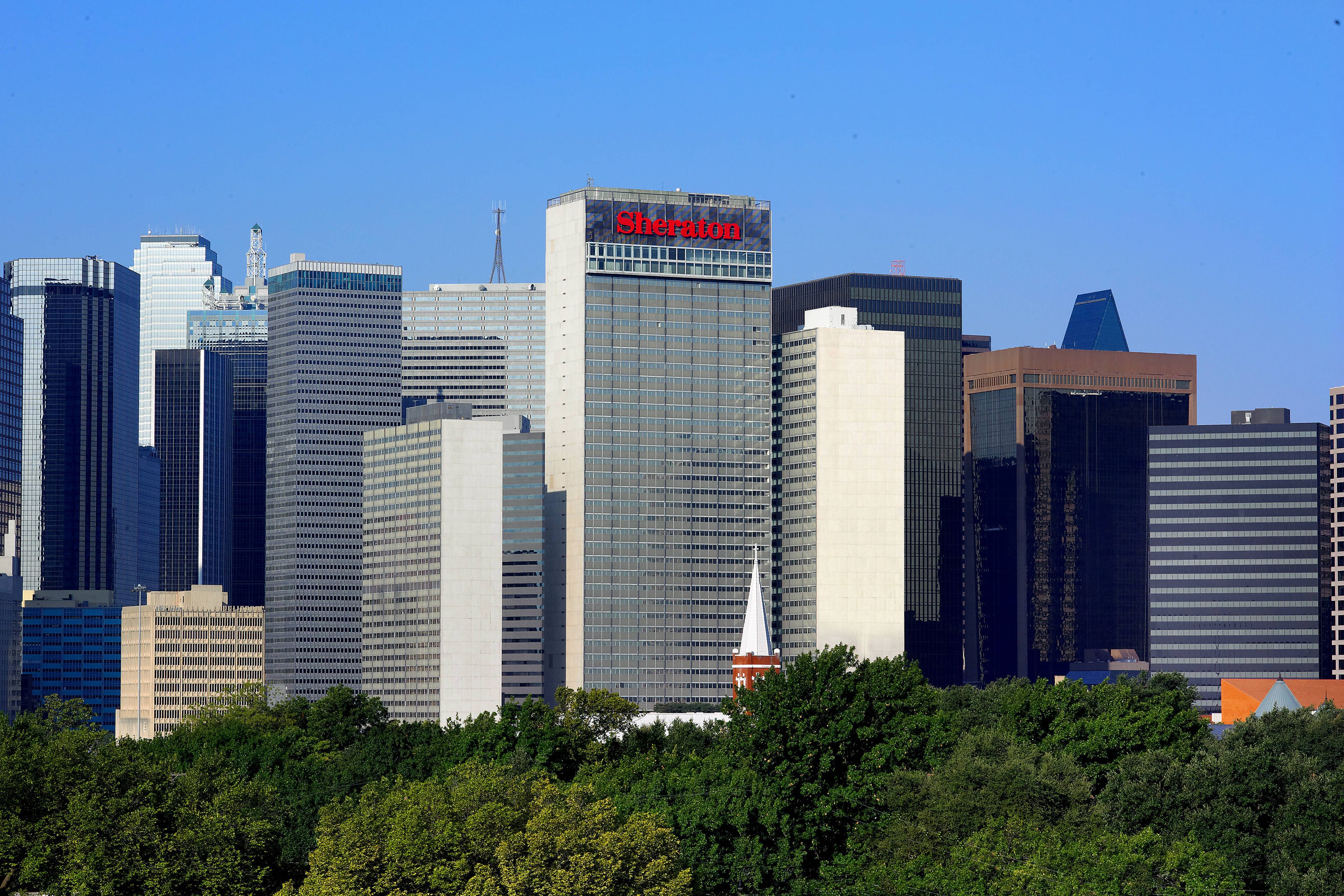
Sheraton Dallas brings many meeting rooms and a large attendee count, so signage, flow, and staging matter.
“The strongest Dallas exhibit programs are resolved before move-in starts: dock access, approved partners, electrical timing, AV handoffs, and freight sequencing are aligned before the floor gets crowded.”
That is less about perfection than about sequence. When the venue, labor, and shipping plan are lined up early, the project has room to absorb the normal surprises that show weeks always create.
It also keeps the team from treating the venue as an afterthought. Once the building rules are part of the brief, the exhibit starts to feel like a planned system instead of a pile of good intentions.
Venue planning priorityShare the show, venue, target date, footprint, and the service mix that needs one accountable Dallas lead.